MOTS-c
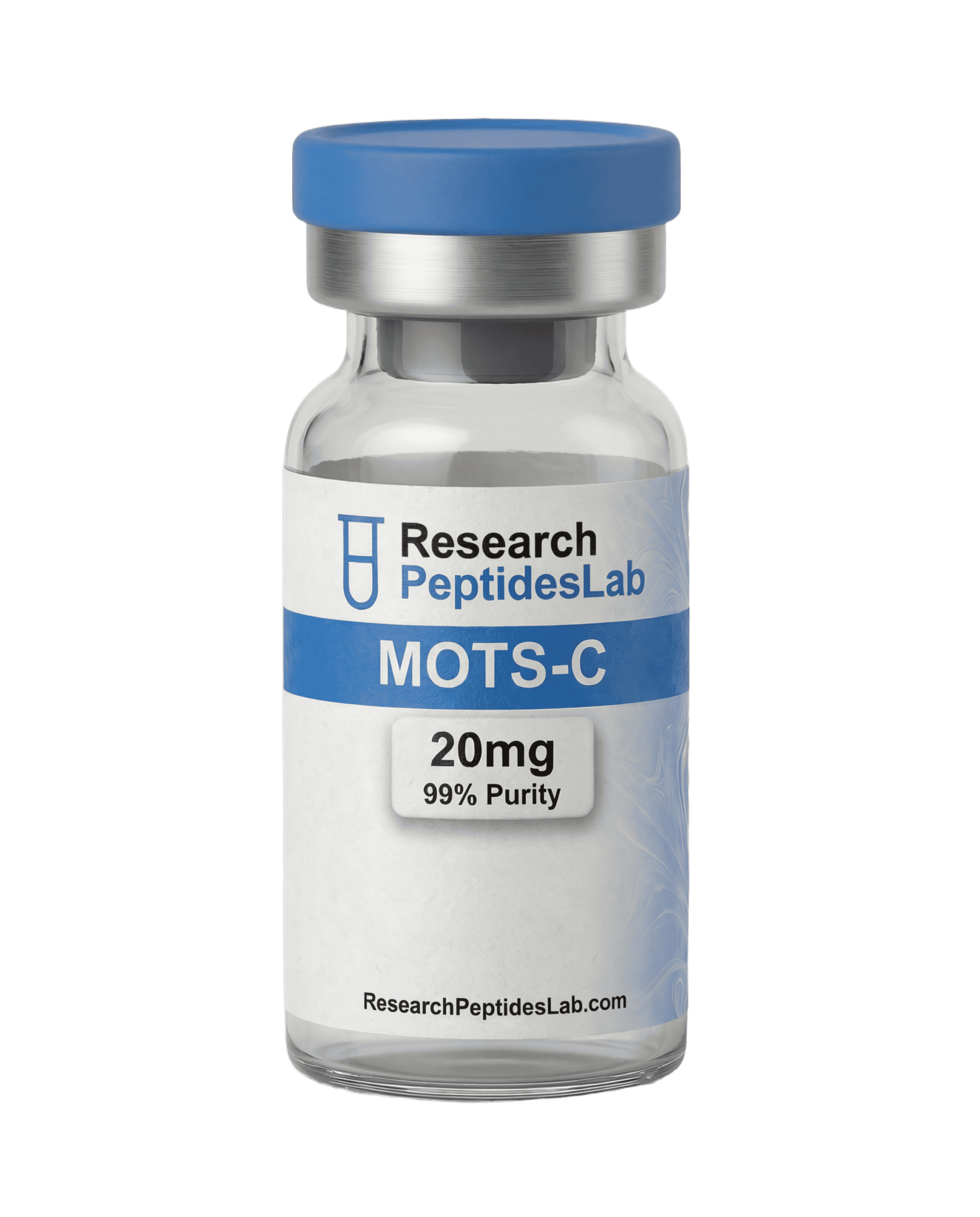
MOTS-c is a mitochondrial-derived peptide encoded within the 12S rRNA gene, studied for its role in AMPK pathway activation and cellular energy homeostasis. Research investigations examine its exercise-mimetic properties and mitochondrial-nuclear communication signaling. For research purposes only.
Category: Mitochondrial Peptide, Exercise Mimetic, AMPK, Metabolic, Energy, Longevity Research
Weekdays before 2PM EST
With Every Batch
Tested in USA



 ACH
Zelle
ACH
Zelle
Research Overview
MOTS-c (Mitochondrial Open Reading Frame of the Twelve S rRNA type-c) is a 16-amino acid mitochondrial-derived peptide (MDP) encoded within the mitochondrial genome. Discovered by Dr. Changhan David Lee at USC in 2015, MOTS-c represents a novel class of signaling molecules that demonstrate the mitochondrial genome's role in nuclear gene regulation and systemic metabolic control.
Mechanism of Action
MOTS-c activates the AMPK (AMP-activated protein kinase) pathway, the master cellular energy sensor. It inhibits the folate-methionine cycle, leading to AICAR accumulation, which directly activates AMPK. Under metabolic stress, MOTS-c translocates to the nucleus where it regulates adaptive nuclear gene expression related to glucose metabolism, fatty acid oxidation, and antioxidant defense. It also modulates the NRF2 pathway for oxidative stress protection.
Experimental Applications
Research includes AMPK activation studies, mitochondrial-nuclear crosstalk, insulin sensitivity and glucose metabolism in skeletal muscle models, exercise mimetic investigations, aging and cellular senescence research, metabolic disease models, and mitochondrial-derived peptide comparative studies.
Compound Information
Technical specifications
What is MOTS-c?
| Type | Mitochondrial-Derived Peptide |
| CAS Number | 1627580-64-6 |
| Molecular Weight | 2,174.58 g/mol |
| Amino Acids | 16 |
| Molecular Formula | C₁₀₁H₁₅₂N₂₈O₂₂S₂ |
Stability Information
Loading structure…
Estimated plasma concentration over time
Compound Specifications
| Compound Type | Mitochondrial-Derived Peptide (16 amino acids) |
| Purity | ≥ 99% |
| Appearance | White lyophilized powder |
| Storage | -20°C long-term; 2-8°C short-term |
| Testing Methods | HPLC, Mass Spectrometry |
| Packaging | Sealed sterile vial |
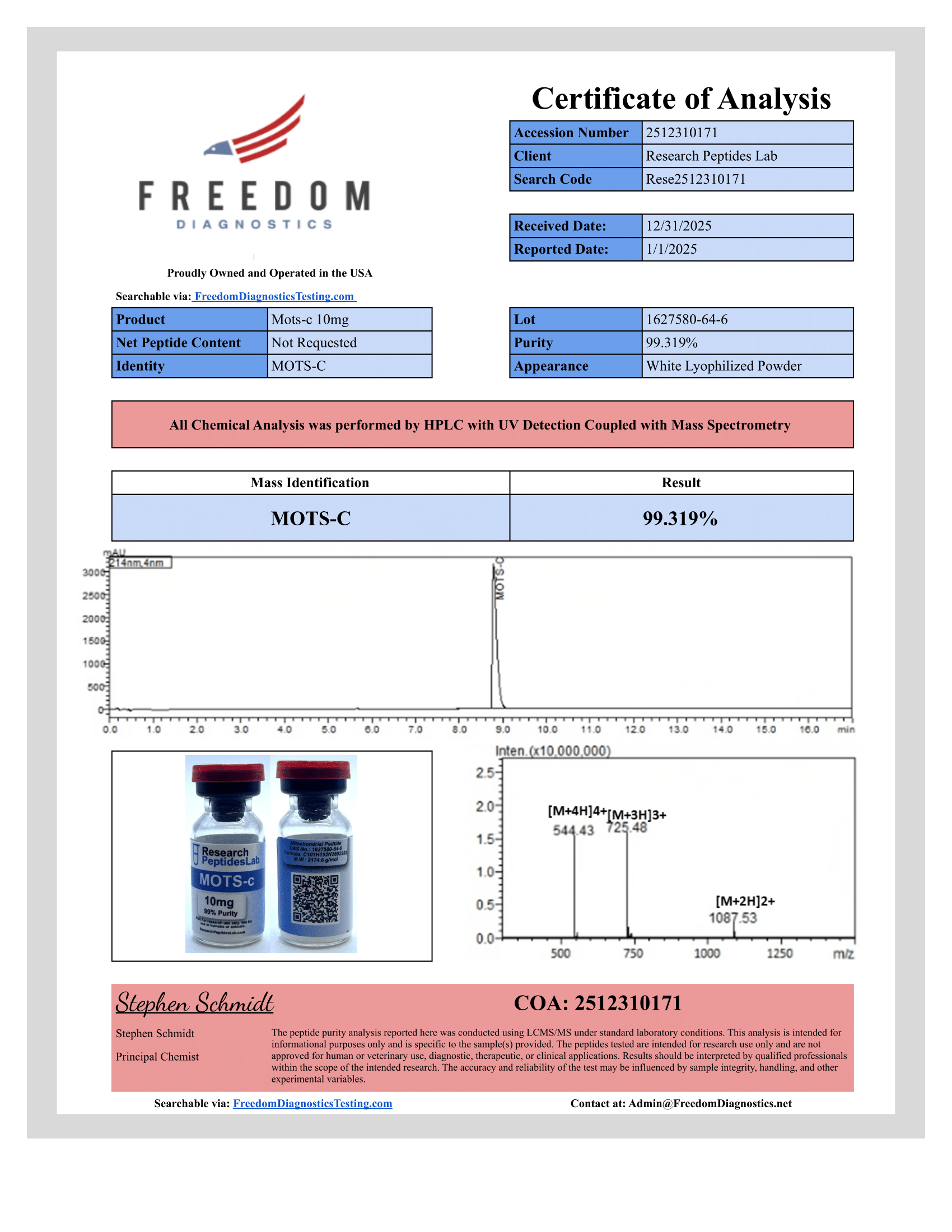
Certificate of Analysis
Lab Testing Notes
Independently verified for purity via HPLC and molecular identity via Mass Spectrometry. Sequence confirmed. COA available on this page.
Mechanism of Action
MOTS-c activates the AMPK (AMP-activated protein kinase) pathway, the master cellular energy sensor. It inhibits the folate-methionine cycle, leading to AICAR accumulation, which directly activates AMPK. Under metabolic stress, MOTS-c translocates to the nucleus where it regulates adaptive nuclear gene expression related to glucose metabolism, fatty acid oxidation, and antioxidant defense. It also modulates the NRF2 pathway for oxidative stress protection.
Experimental Applications
Research includes AMPK activation studies, mitochondrial-nuclear crosstalk, insulin sensitivity and glucose metabolism in skeletal muscle models, exercise mimetic investigations, aging and cellular senescence research, metabolic disease models, and mitochondrial-derived peptide comparative studies.
Reconstitution Guidelines
Reconstitute with bacteriostatic water. Inject slowly along the vial wall. Gently swirl — do not shake. Recommended: 1 mL per vial. Store at 2–8°C. Use within 21 days.
How Does MOTS-c Compare?
Longevity & Cellular Health
| Property | MOTS-c | Epitalon (Epithalon) | NAD+ | Thymosin Alpha-1 |
|---|---|---|---|---|
| Type | Mitochondrial-Derived Peptide | Synthetic Tetrapeptide | Coenzyme (Dinucleotide) | Immunomodulatory Peptide |
| Molecular Weight | 2,174.58 | 390.35 | 663.43 | 3,108.26 |
| Amino Acids | 16 | 4 | — | 28 |
| CAS Number | 1627580-64-6 | 307297-39-8 | 53-84-9 | 62304-98-7 |
| Formula | C₁₀₁H₁₅₂N₂₈O₂₂S₂ | C₁₄H₂₂N₄O₉ | C₂₁H₂₇N₇O₁₄P₂ | C₁₂₉H₂₁₅N₃₃O₅₅ |
| Current | View Product → | View Product → | View Product → |
Commonly Researched Together
Complementary compounds frequently paired with MOTS-c in published studies
Sources & References
Peer-reviewed research
MOTS-c is an Exercise-Induced Mitochondrial-Encoded Regulator of Age-Dependent Physical Decline
View SourceRelated Peptides
Premium research peptides, lab-tested for purity