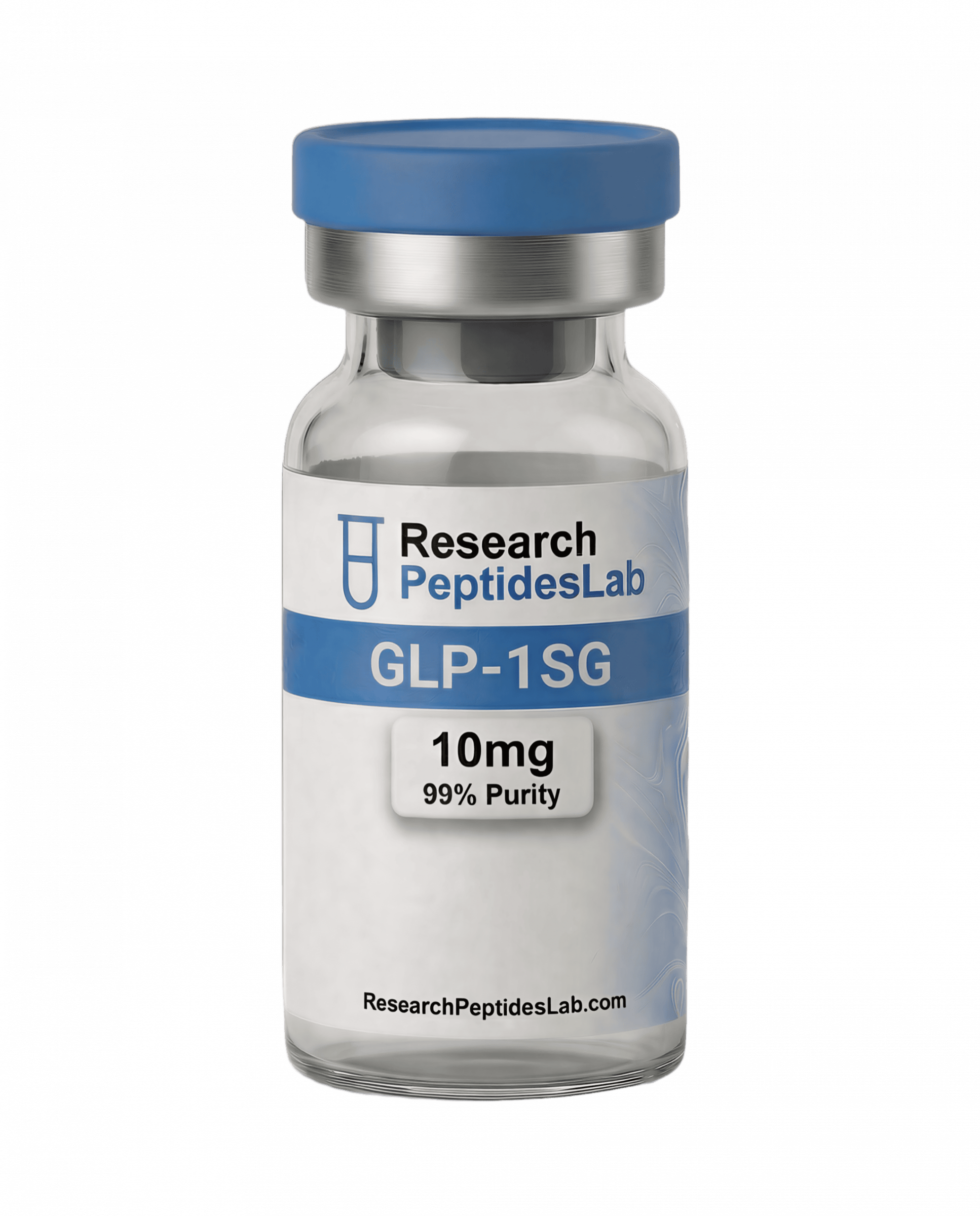
GLP-1SG
GLP-1SG is a glucagon-like peptide-1 receptor agonist studied extensively in metabolic research for its role in glucose homeostasis and appetite regulation signaling. Its extended half-life properties make it a preferred compound for investigating sustained incretin receptor activation in laboratory settings. For research purposes only.
Also known as: Semaglutide | Similar to: Ozempic, Wegovy | Category: GLP, Metabolic, Weight Loss Research
Weekdays before 2PM EST
With Every Batch
Tested in USA



 ACH
Zelle
ACH
Zelle
Research Overview
GLP-1SG is a long-acting GLP-1 receptor agonist featuring a C-18 fatty di-acid chain that enables albumin binding and extends its half-life to approximately 7 days. It is one of the most extensively studied incretin analogs and has become a benchmark compound in metabolic and cardiovascular research.
Mechanism of Action
GLP-1SG binds to the GLP-1 receptor on pancreatic beta cells, enhancing glucose-dependent insulin secretion and suppressing glucagon release. It delays gastric emptying and activates GLP-1R-expressing neurons in the hypothalamus (arcuate nucleus) to reduce appetite. The C-18 fatty acid modification enables non-covalent albumin binding, dramatically extending circulation half-life. This compound also demonstrates anti-inflammatory effects on vascular endothelium and has shown cardioprotective signals in large-scale clinical research.
Experimental Applications
Research includes GLP-1R signaling pathway studies, dose-response insulin secretion assays, hypothalamic appetite center neuroscience, cardiovascular protection models, hepatic steatosis research, comparative pharmacology against other GLP-1 receptor agonists and dual-agonist compounds, and long-acting peptide pharmacokinetics.
Compound Information
Technical specifications
What is GLP-1SG?
| Type | GLP-1 Receptor Agonist |
| CAS Number | 910463-68-2 |
| Molecular Weight | 4,113.58 g/mol |
| Amino Acids | 31 |
| Molecular Formula | C₁₈₇H₂₉₁N₄₅O₅₉ |
Stability Information
Loading structure…
Estimated plasma concentration over time
Compound Specifications
| Compound Type | Acylated GLP-1 Receptor Agonist |
| Purity | ≥ 99% |
| Appearance | White lyophilized powder |
| Storage | -20°C long-term; 2-8°C short-term |
| Testing Methods | HPLC, Mass Spectrometry |
| Packaging | Sealed sterile vial |
Molecular Data
| Half-Life | properties, making it a preferred compound in studies examining glucose homeostasis, appetite regulation, and energy metabolism. |
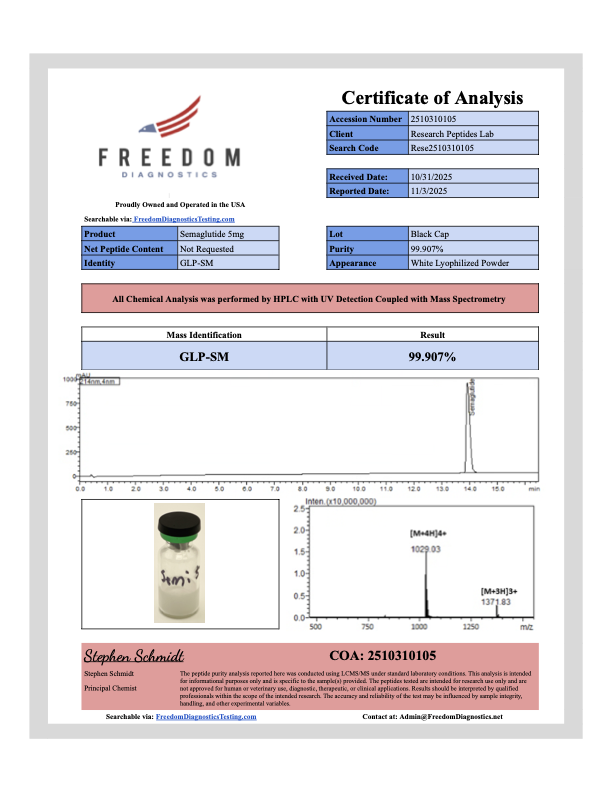
Certificate of Analysis
Lab Testing Notes
Each batch independently verified by HPLC for purity (?99%) and Mass Spectrometry for molecular weight and identity. Acylation integrity confirmed. Full COA provided.
Mechanism of Action
GLP-1SG binds to the GLP-1 receptor on pancreatic beta cells, enhancing glucose-dependent insulin secretion and suppressing glucagon release. It delays gastric emptying and activates GLP-1R-expressing neurons in the hypothalamus (arcuate nucleus) to reduce appetite. The C-18 fatty acid modification enables non-covalent albumin binding, dramatically extending circulation half-life. This compound also demonstrates anti-inflammatory effects on vascular endothelium and has shown cardioprotective signals in large-scale clinical research.
Experimental Applications
Research includes GLP-1R signaling pathway studies, dose-response insulin secretion assays, hypothalamic appetite center neuroscience, cardiovascular protection models, hepatic steatosis research, comparative pharmacology against other GLP-1 receptor agonists and dual-agonist compounds, and long-acting peptide pharmacokinetics.
Reconstitution Guidelines
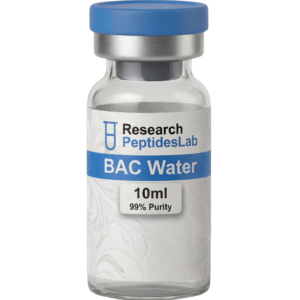
Reconstitute with bacteriostatic water. Inject slowly along the inner vial wall. Gently swirl until fully dissolved — do not shake (acylated peptides are sensitive to agitation). Recommended: 1–2 mL per vial. Store at 2–8°C. Use within 30 days.
How Does GLP-1SG Compare?
GLP-1 & Metabolic Peptides
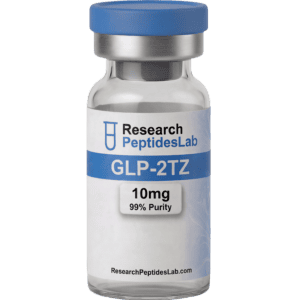
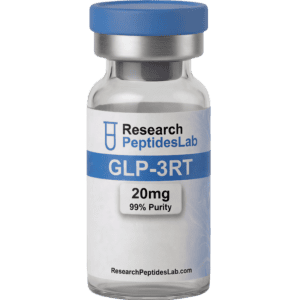
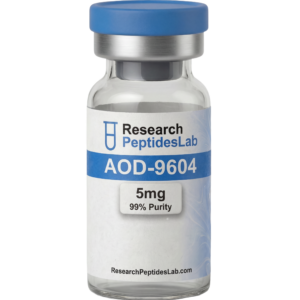
| Property | GLP-1SG | GLP-2TZ | GLP-3RT | AOD-9604 |
|---|---|---|---|---|
| Type | GLP-1 Receptor Agonist | Dual GIP/GLP-1 Receptor Agonist | Triple GIP/GLP-1/Glucagon Agonist | Modified hGH Fragment (176-191) |
| Molecular Weight | 4,113.58 | 4,813.45 | 4,731.28 | 1,815.08 |
| Amino Acids | 31 | 39 | 39 | 16 |
| CAS Number | 910463-68-2 | 2023788-19-2 | 2381089-83-2 | 221231-10-3 |
| Formula | C₁₈₇H₂₉₁N₄₅O₅₉ | C₂₂₅H₃₄₈N₄₈O₆₈ | C₂₂₁H₃₄₂N₄₆O₆₈ | C₇₈H₁₂₃N₂₃O₂₃S₂ |
| Current | View Product → | View Product → | View Product → |
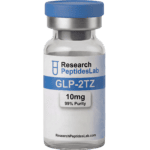
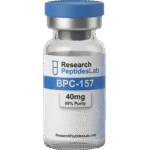
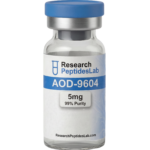
Commonly Researched Together
Complementary compounds frequently paired with GLP-1SG in published studies
Sources & References
Peer-reviewed research
Once-Weekly GLP-1SG in Adults with Overweight or Obesity
View SourceGLP-1SG and Cardiovascular Outcomes in Patients with Type 2 Diabetes
View SourceRelated Peptides
Premium research peptides, lab-tested for purity